
WHAT WE TEACHDance Styles
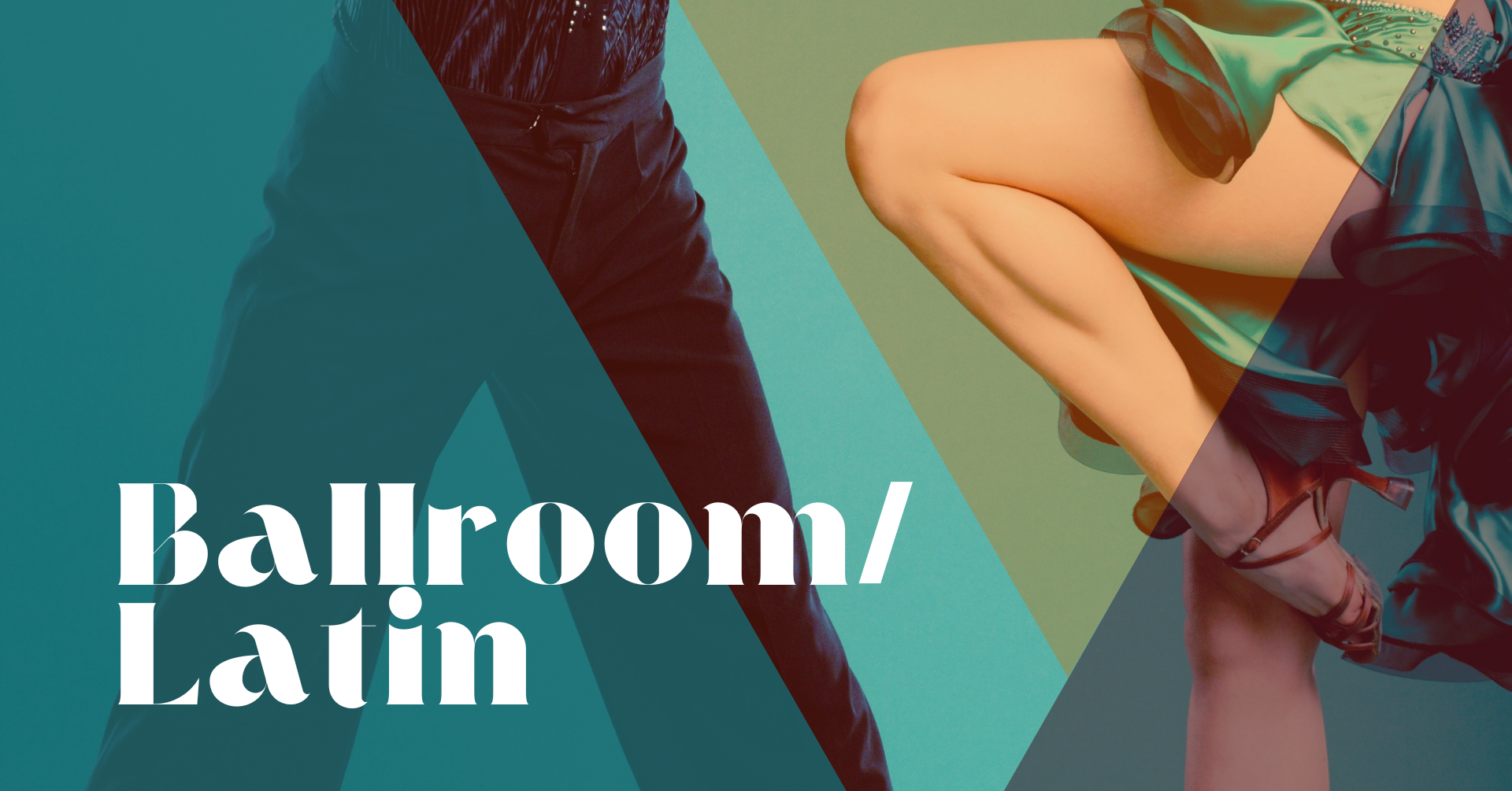
Ballroom dancing is a form of social and competitive partner dance that brings an era of old Hollywood to mind. Think Fred Astaire and Ginger Rogers—that’s Ballroom.
It includes a large variety of more formal and elegant standardized dances split into two style categories, Rhythm/Latin and Smooth/Standard, based on core movement techniques. Specific types of music further set the character for each dance making the training process more structured as styling and movement are pre-designed to fit that vibe.
American Rhythm
Cha Cha, Rumba, East Coast Swing, Bolero, Mambo
International Latin
Cha Cha, Samba, Rumba, Paso Doble, Jive
American Smooth
Waltz, Tango, Foxtrot, Viennese Waltz
International Standard
Waltz, Tango, Viennese Waltz, Slow Fox, Quickstep
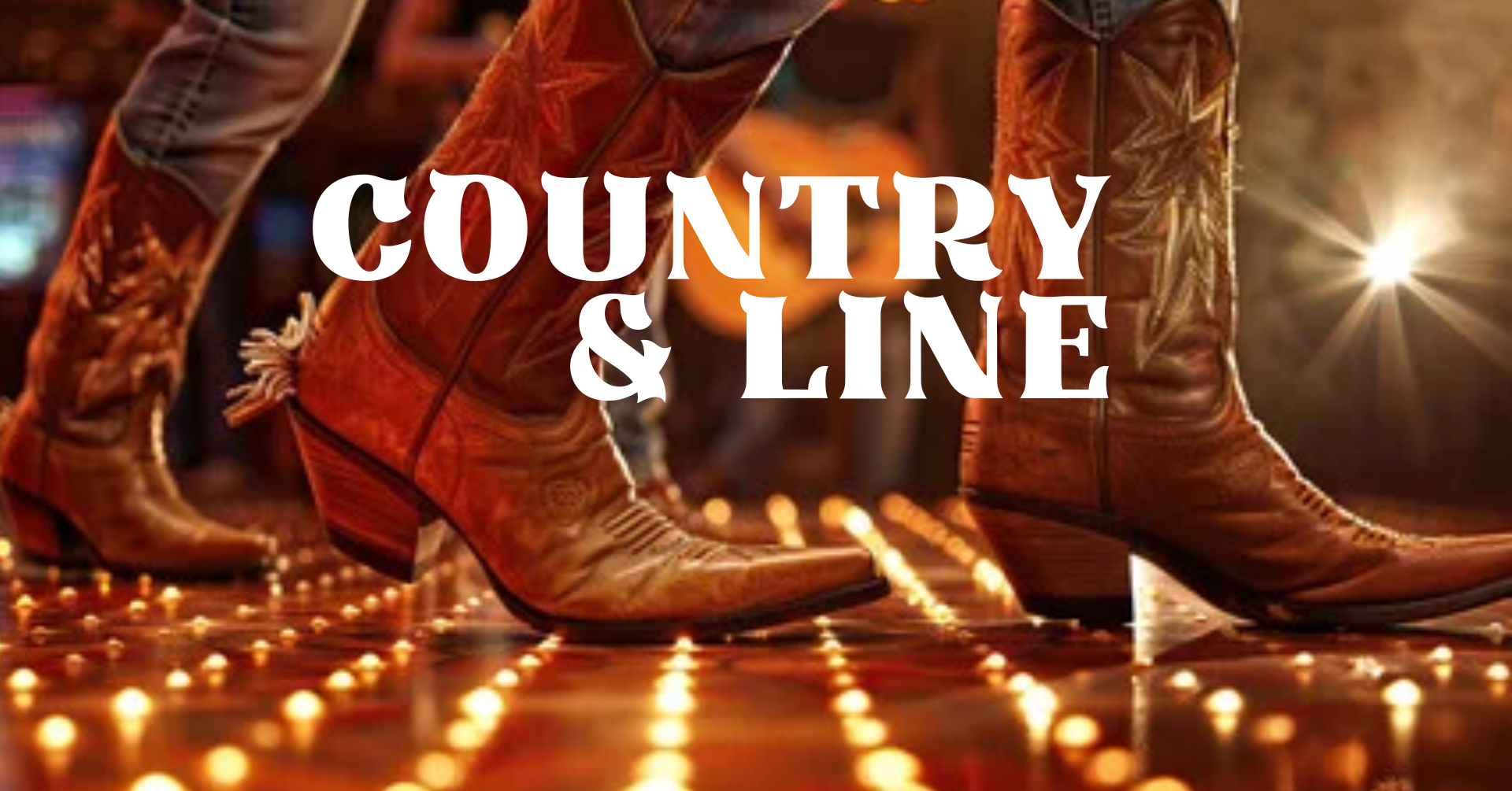
Country dancing has proud beginnings as social bar-room dancing and is well known for encompassing a mix of both partner dance and solo line dancing.
Partner dancing (sometimes referred to as couples) is done socially and competitively to Country music and consists of both standardized country as well as bar country. A set of 8 dances makes up Standardized Country, some original to the style and some that crossover with Ballroom and Swing dances. In a bar setting in this area, the most commonly used dances are Country Swing (for it’s freestyle flow, dips and tricks), Two Step, and Double Two Step.
Line dance is almost synonymous with Country dance, but the range of music it’s paired with extends beyond Country music. Often the dances are choreographed to mainstream pop songs as well and for fun, songs with similar phrasing allow dancers to swap songs but use the same dance. It is a great solo but also social avenue.
No matter your preference, its glitz and rhinestones meets cowboy hats, boots, and fringe. Get a little rebellious with it!
Standardized Dances
Two Step, Polka, Nightclub, Triple Two Step, Waltz, Cha Cha, East Coast Swing, West Coast Swing
West Coast Swing and Hustle are two of the most versatile partner dances around as you can dance them to a wide range of speeds and styles of music. They’re also both slot dances which means they don’t take up too much space—perfect for social dancing, though each has weekend competitive event opportunities as well.
West Coast Swing uniquely allows dancers to use one dance across a large variety of music styles (often broken into categories such as Blues, Fast Pop, and Slow Contemporary to name a few). The core moves remain the same, while the attitude or mood may change from one song to another, inspiring new styling choices and encouraging more freestyle creative movement than most other dances.
Hustle has roots in Mambo and Swing and often brings 70’s disco era to mind, but the style of music it is danced to has far expanded over time. It’s distinctly smooth, rolling pulse and continuously rotating movement is a perfect pair with today’s modern pop music.
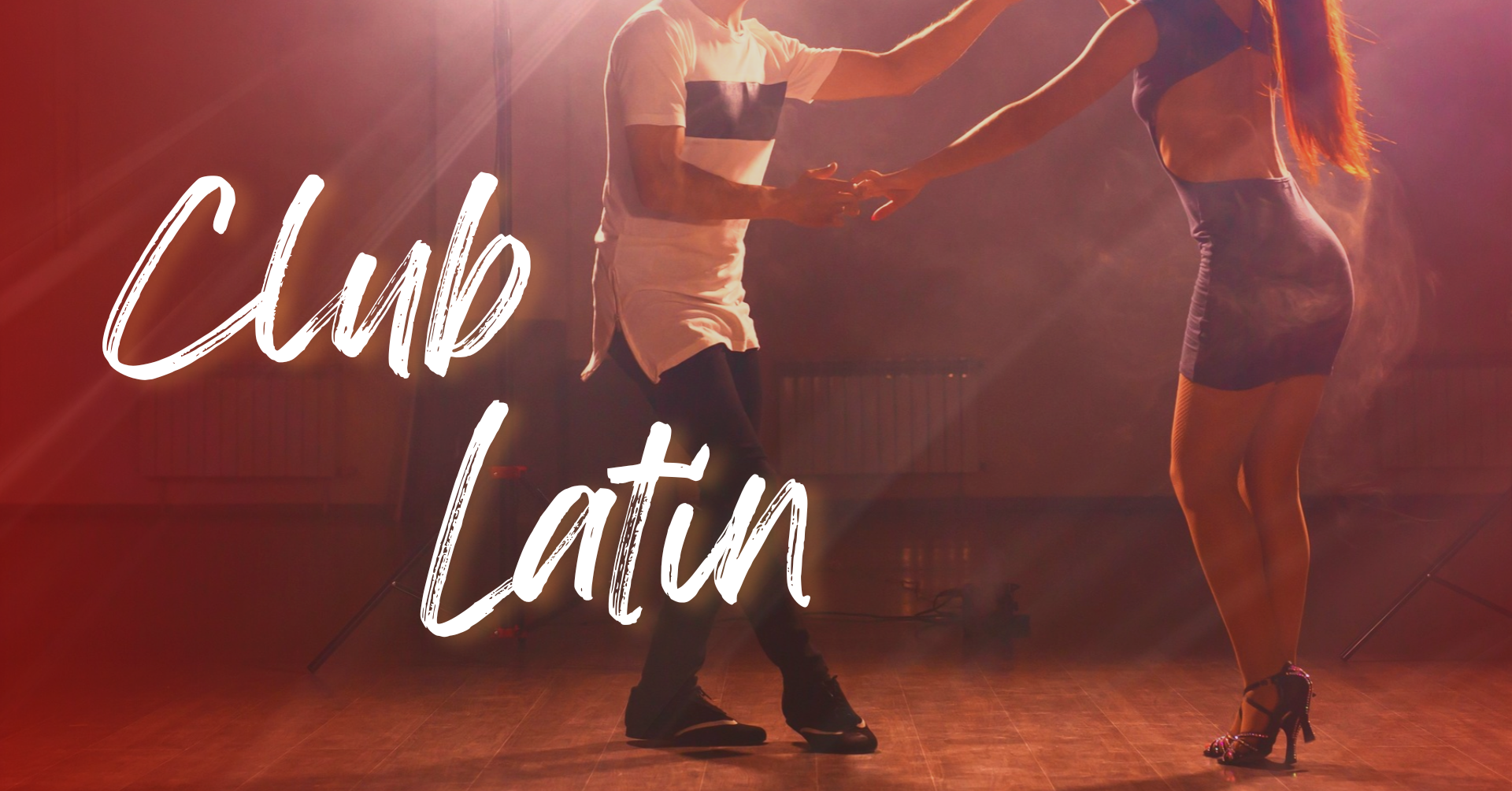
Club Latin is often found in a bar-room setting. They are social dances at their core, but are also performed at Festivals or Congresses by a partnership or as a part of a team. The dances are authentic to various latin cultures and countries around the world. While you’ll recognize some of the dance names from Ballroom, the style is different.
Latin Dances
Salsa, Bachata, Cumbia, Cha Cha, Merengue
Start dancing.
Stay on Beat
Sign up to receive the latest studio news.